
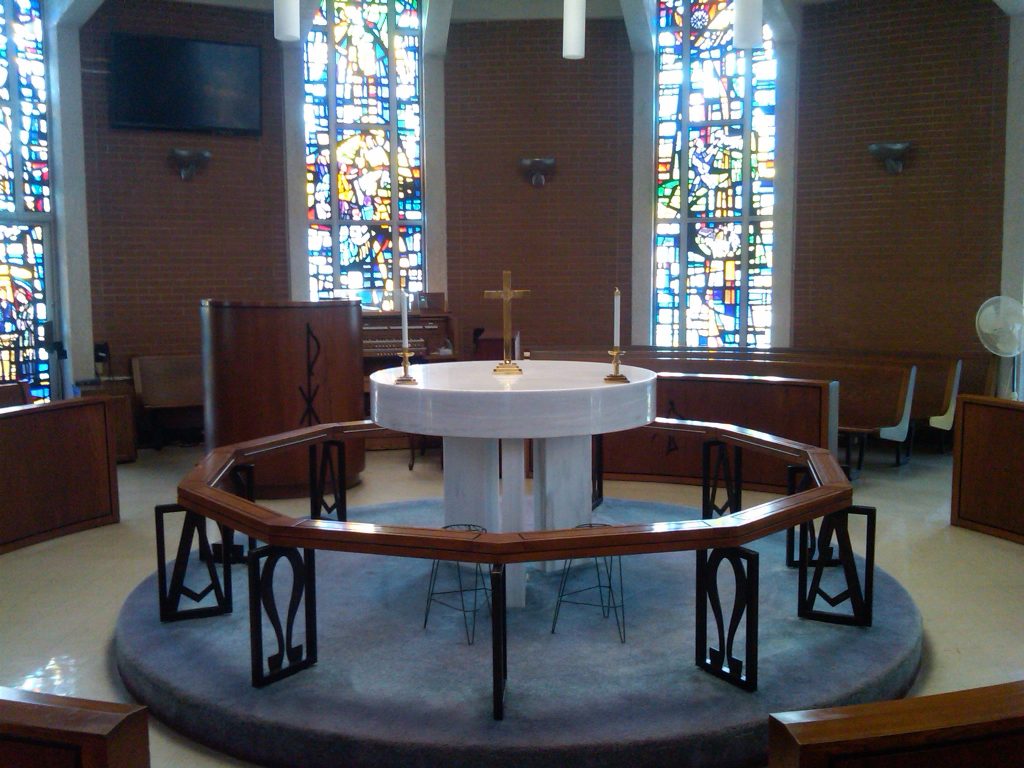
How to Build a Simple Spiritual Altar at Home is for readers seeking creating a sacred space for prayer and reflection. Divine Awakening approaches spiritual altar at home as a grounded spiritual practice that blends intention, reflection, prayerful awareness, and simple ritual tools. The goal is to help spiritual living feel supportive, clear, and deeply personal rather than dramatic or vague.
How This Ritual Supports Protection and Peace
In Divine Awakening’s editorial voice, spiritual altar at home sits within the wider pillar of Altars Sacred Space and Devotion. That means the ritual should be understandable, respectful, and rooted in a clear spiritual purpose. Instead of chasing spectacle, readers are encouraged to identify one honest need and shape the working around it with steadiness.
A good ritual starts with a specific intention. If you need peace, say peace. If you need movement, say movement. If you need healing, name healing directly. Clear intention makes the ritual easier to repeat and easier to evaluate afterward because you know what you were truly asking for.
This grounded approach matters because many spiritual seekers are not looking for grand performance. They want tools that help them pray, reflect, cleanse, and focus in everyday life. That is the atmosphere Divine Awakening is building through its content and product selection.
What You Need Before You Begin
For this kind of work, choose tools connected to altar cloths, statues, candles. Keep the setup simple enough that every item has a purpose. A candle can hold the central petition, incense can shift the mood of the room, and altar items can create a clear boundary between ordinary activity and sacred time.
Before lighting anything, clean the physical surface where the ritual will happen. Wipe it down, remove clutter, and set out a fire-safe base for candles or charcoal. Spiritual clarity often begins with practical order. The cleaner the setup, the easier it is to keep attention from scattering.
Prepare your words in advance. A short prayer, affirmation, or petition usually works better than a long stream of improvised language. One sentence spoken with sincerity is easier to anchor than many paragraphs spoken without focus.
Step-by-Step Ritual Method
Start by breathing slowly and naming your intention for spiritual altar at home. If you write petitions, place the paper beneath or beside the central candle. If you use prayer, say the prayer before the flame is lit so your ritual begins from conscious focus rather than hurry.
Next, cleanse the space in whatever way aligns with your practice. Some people use incense or ritual waters, some pray over the room, and some lightly anoint candles or altar tools. The aim is to mark a transition into sacred time. This matters because ritual becomes more effective when your body and mind can feel that a shift has occurred.
Light the candle and remain with it for several quiet minutes. Speak your intention clearly. Describe the state you want to invite into your life: peace, protection, opportunity, steadiness, reconciliation, or renewal. Repetition strengthens a ritual because the same message becomes easier to carry into prayer, journaling, and everyday action.
When the candle work is complete, close the ritual with gratitude. Record any emotions, images, or insights that surfaced. Many people discover that the value of ritual is not only in the request itself, but also in the self-knowledge that becomes visible when they slow down enough to notice their inner state.
How to Personalize the Practice
Personalization should deepen the ritual rather than overload it. If a psalm, ancestor prayer, saint image, or symbolic object has real meaning to you, include it with purpose. If it is there only because it looked intense online, leave it out. Ritual becomes more trustworthy when it reflects genuine spiritual relationship.
Timing can also personalize the work. Some readers prefer moon phases, specific weekdays, early mornings, or quiet evenings. Timing can support the emotional tone of a ritual, but it should not become a reason to postpone spiritual care forever. Use sacred timing as a support, not as a trap.
The most useful personalization usually comes through repetition. A simple practice done weekly with consistency often reveals more than a dramatic ritual done once in stress. Divine Awakening’s content is designed to support that calmer and more sustainable approach.
Common Mistakes to Avoid
One common mistake is using too many tools at once. When everything becomes urgent, people often crowd the altar with candles, oils, herbs, petitions, charms, and spoken requests. A cleaner ritual gives each symbol room to matter and gives you a better chance of recognizing what actually helps.
Another mistake is expecting ritual to replace practical responsibility. Prosperity work belongs beside disciplined money habits. Love work belongs beside honesty, self-respect, and communication. Protection work belongs beside boundaries and wise decisions. Spiritual support is strongest when it moves with life rather than trying to bypass it.
A third mistake is reading every detail as an immediate sign of success or failure. Flames, wax, dreams, and emotional shifts can all be meaningful, but they are best interpreted with patience. Grounded spirituality leaves room for reflection instead of panic.
How Divine Awakening Products Can Support the Practice
Divine Awakening offers tools connected to practices like spiritual altar at home without relying on empty promises. Readers may find support through altar cloths, statues, candles, symbolic jewelry, sacred decor, and devotional items that help them return to spiritual work with more consistency.
When selecting products, usefulness matters more than quantity. One reliable candle, one meaningful oil, and one well-prepared altar space often support a ritual more effectively than a large collection of tools used without intention. The best product is the one that helps you stay focused and present.
This reflects the wider brand philosophy. Spiritual life can be found in the quiet act of lighting a candle, preparing an altar, choosing a symbolic object, or making time for prayer and reflection. Products are there to support awareness, not to replace it.
Frequently Asked Questions
How often should I practice spiritual altar at home?
Choose a rhythm you can sustain. Consistency usually matters more than intensity, so a simple weekly or moon-based practice often works better than irregular bursts of ritual activity.
Do I need many supplies for spiritual altar at home?
No. A few well-chosen tools used with care are usually enough. Start with what clearly supports the intention and avoid cluttering the ritual with items you do not understand.
Can beginners work with spiritual altar at home?
Yes. Beginners often do well when they keep the ritual simple, stay respectful, and reflect on what they are doing instead of chasing dramatic signs.